

posted 5th May 2026
How Secure Is Your Home Lock? 7 Signs It’s Time For A Lock Replacement
Knowing when to change locks is one of the most important steps in protecting your home or business. Many people assume a lock is secure as long as it still works, but that is not always the case. Over time, wear, outdated designs, and hidden faults can reduce your protection without obvious warning.
If you have ever asked yourself “how secure is my door lock”, you are not alone. This guide breaks down the most common warning signs, explains lock replacement advice homeowners can trust, and helps you decide when it is time to upgrade before a problem becomes urgent.
Why Is It Important To Know When To Change Locks?
Locks are your first line of defence. If they fail, everything behind them is at risk.
Many homeowners delay replacing locks because:
- The lock still turns
- There are no visible issues
- They assume replacement is only needed after a break-in
However, ignoring old lock security risks can leave your property vulnerable. According to UK police guidance, securing entry points with reliable locks is one of the most effective ways to prevent burglary.
You can read more about home security recommendations from the Metropolitan Police here.
7 Signs Your Lock Needs Replacing
1. Your Lock Feels Stiff Or Difficult To Turn
A stiff or grinding lock is one of the earliest signs lock needs replacing. This often indicates internal wear or debris inside the mechanism.
If ignored, this can lead to:
- Keys snapping inside the lock
- Complete lock failure
- Being locked out unexpectedly
2. Your Keys Have Been Lost Or Stolen
If your keys are missing, you cannot be certain who has access. This is one of the clearest situations where changing locks becomes urgent.
Even if the keys are found later, replacing the lock ensures your security is not compromised.
3. You’ve Recently Moved Into A New Property
Moving house is a major security reset point.
You do not know:
- How many copies of the keys exist
- Who may still have access
- Whether previous locks were upgraded properly
This is one of the most common triggers for when to upgrade door locks.
4. Your Lock Is Visibly Damaged Or Loose
Loose or damaged locks are a serious security risk. This could be due to:
- Wear over time
- Attempted forced entry
- Poor installation
A damaged lock may still function but will not provide reliable protection.
5. The Lock Is Old Or Outdated
Older locks may not meet current security standards.
For example:
- Some older locks lack anti-snap protection
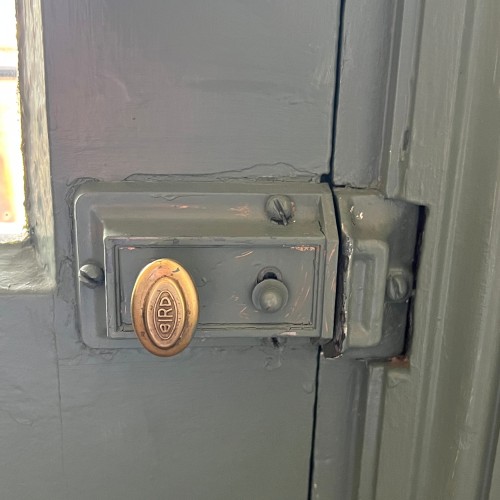
- Basic night latches may be easier to bypass
- Insurance requirements may not be met
The Master Locksmiths Association explains British Standard locks and their role in security here.
6. Your Door Does Not Close Or Latch Properly
If your door needs force to close or does not latch smoothly, the issue may be:
- Misalignment
- A worn locking mechanism
- Frame or hinge movement
This is often overlooked but is a key indicator of old lock security risks.
7. You Want Better Security Or Peace Of Mind
Sometimes there is no fault, just a need for improved protection.
You may want to:
- Upgrade to a higher-security lock
- Improve protection for valuables
- Meet landlord or insurance requirements
If you are unsure, exploring professional locksmith services can help you understand your options.
What Type Of Lock Should You Upgrade To?
Choosing the right replacement depends on your door and security needs.
Common options include:
- Mortice locks, ideal for wooden doors and often insurance-approved
- Rim locks and night latches, convenient for everyday use
- Cylinder locks, commonly used in uPVC doors
- High-security locks, designed to resist tampering
For households with frequent access needs, combining lock types often provides better overall protection.
Can You Repair A Lock Instead Of Replacing It?
In some cases, a repair is enough. However, replacement is recommended when:
- The lock is worn internally
- Security is outdated
- Keys are compromised
- The lock has failed multiple times
How Often Should You Replace Your Locks?
There is no fixed timeline, but general guidance suggests:
- Every 5 to 10 years for standard locks
- Immediately after moving home
- After lost or stolen keys
- When signs of wear appear
Regular checks help identify when to change locks before they become a problem.
What Happens During A Lock Replacement?
A professional locksmith will typically:
- Assess your existing lock and door
- Recommend suitable replacement options
- Remove the old lock safely
- Install and test the new lock
- Provide new keys and usage guidance
This process is usually quick and ensures your lock is fitted correctly for maximum security.
When Should You Call A Locksmith?
You should seek expert help if:
- Your lock is unreliable or failing
- You are unsure about your current security level
- You need urgent access or lock replacement
- You want advice on upgrading your locks
Speaking to a professional ensures you get the right solution for your property.
Final Thoughts, Don’t Wait Until It Fails
Understanding when to change locks can prevent stress, inconvenience, and security risks. Most lock failures are not sudden, they show warning signs first. Acting early helps you avoid emergency situations and keeps your property protected.
If you have noticed any of the signs in this guide or want reassurance about your home security, speaking to an experienced locksmith is the next step.