

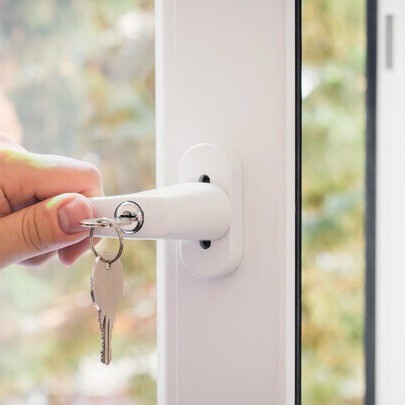
How Secure Is Your Lock? Signs It's Time for a Lock Replacement
Your locks are your property's first line of defence, but they won't last forever. While some lock problems are obvious, others develop gradually, making them easy to overlook until you're locked out or your security is compromised.
Knowing the signs it's time for a lock replacement can help you avoid unexpected problems, improve your property's security and give you greater peace of mind. In this guide, we'll explain the warning signs to look out for, when a repair might be enough and when replacing your lock is the safest option.
A Quick Answer If You're Unsure About Your Lock
If your lock is difficult to use, visibly damaged, outdated, or you've recently lost your keys or moved into a new property, it may be time to replace it. While some issues can be repaired, replacing a worn or compromised lock often provides better long-term security and reliability.
Keep reading to learn the most common warning signs and what to do next.
Why Lock Security Matters
A lock that still works isn't always a secure lock. Over time, everyday wear, weather, accidental damage and changes in security standards can all affect how well a lock protects your property.
Ignoring early warning signs can lead to:
- Being locked out unexpectedly
- Increased risk of burglary
- Difficulty locking or unlocking your door
- Expensive emergency repairs
- Reduced peace of mind
Checking your locks regularly helps you identify potential problems before they become more serious.
Seven Signs It's Time for a Lock Replacement
Your Lock Is Becoming Difficult to Use
If your key sticks, the lock feels stiff or you need to force the handle into position before locking the door, the internal mechanism may be wearing out.
While cleaning or lubrication can sometimes help, recurring problems often indicate that the lock is nearing the end of its lifespan.
You've Lost Your Keys
Losing your keys doesn't necessarily mean someone will find them, but it does mean you can no longer be certain who has access to your property.
Replacing the lock is often the safest option, particularly if your keys were lost with anything that identifies your address.
You've Recently Moved Home
One of the first jobs after moving into a new property should be changing the locks.
Previous owners, tenants, tradespeople or neighbours may still have copies of the keys, and there's usually no way of knowing how many are in circulation. Replacing the locks gives you complete control over who can access your home.
Your Lock Shows Signs of Damage
Visible damage should never be ignored.
Common signs include:
- Cracks or loose components
- Rust or corrosion
- Bent or worn keys
- Scratches around the cylinder
- Signs of attempted forced entry
Even if the lock still functions, internal components may have been weakened.
Your Lock Is Outdated
Lock technology has improved significantly over the years. Older locks may no longer offer the level of protection expected today or meet current insurance requirements.
Upgrading to a more secure locking system can improve protection against modern methods of forced entry and provide greater confidence in your property's security.
You've Experienced a Break-In
Following a burglary or attempted break-in, replacing affected locks is strongly recommended.
Even if the damage appears minor, the internal mechanism may have been compromised, reducing its ability to secure your property properly.
You Need Better Access Control
Sometimes the issue isn't that your lock has failed, but that it no longer suits your needs.
If you're managing staff, tenants or multiple users, traditional keys can become difficult to control. Modern access control solutions allow authorised users to gain entry using keypads, cards, fobs or biometric systems, making access both simpler and more secure.
Can a Lock Be Repaired Instead of Replaced?
Not every lock problem requires a replacement.
Issues such as minor alignment problems, worn door handles or loose fixings can often be repaired, restoring the lock's performance without replacing the entire mechanism.
However, replacement is usually the better choice if:
- The internal mechanism has failed
- The lock has been badly damaged
- Keys have been lost or stolen
- The lock no longer provides adequate security
- Replacement parts are no longer available
A professional assessment can help determine the most practical and cost-effective solution.
Don't Forget the Rest of Your Property
While front door locks receive the most attention, they're not the only locks worth checking.
It's a good idea to inspect:
- Back door locks
- Patio and French door locks
- Window locks
- Garage door locks
- Safe locks
- Garden gate locks
Your property's overall security is only as strong as its weakest entry point.
How Often Should Locks Be Replaced?
There isn't a fixed lifespan for every lock, as longevity depends on usage, maintenance and environmental conditions.
However, it's sensible to review your locks whenever you:
- Move into a new property
- Lose your keys
- Notice signs of wear
- Complete major renovations
- Upgrade your property's security
Regular inspections can help prevent unexpected failures and keep your home or business protected.
Looking After Your Locks
Simple maintenance can help extend the life of your locks and reduce the likelihood of problems.
Good habits include:
- Keeping locks clean and free from dirt
- Using a suitable lock lubricant when recommended
- Avoiding excessive force when locking or unlocking doors
- Having sticking locks checked before they fail completely
- Inspecting external locks for signs of weather damage
Routine maintenance won't prevent every issue, but it can reduce wear and help identify problems early.
When Should You Speak to a Locksmith?
If you're unsure whether your lock needs repairing or replacing, it's worth seeking professional advice before the problem gets worse.
A locksmith can assess the condition of your existing lock, explain your options and recommend the most suitable solution for your property.
For independent guidance on home security, the Master Locksmiths Association offers helpful advice, while the Police Crime Prevention Initiative provides practical security recommendations.
Frequently Asked Questions
Should I Change My Locks After Buying a House?
Yes. You cannot know how many copies of the existing keys are still in circulation, so replacing the locks gives you complete control over who can access your property.
Can a Locksmith Tell If My Lock Needs Replacing?
Yes. An experienced locksmith can inspect the lock, identify any signs of wear or damage and advise whether a repair or replacement is the most appropriate option.
Are Older Locks Less Secure?
Many older locks still function, but they may not offer the same level of protection as modern locking systems or meet current security expectations.
Is It Better to Repair or Replace a Lock?
It depends on the condition of the lock. Minor issues can often be repaired, while worn, damaged or outdated locks are usually better replaced to maintain reliable security.
Stay One Step Ahead of Lock Problems
Recognising the signs it's time for a lock replacement can help you avoid unnecessary stress, improve your property's security and prevent small issues from becoming expensive emergencies.
If you're concerned about the condition of your locks or would like expert advice on improving your property's security, our team is happy to help.